


YOUR BAG
YOUR BAG
When we hear the term “sustainable jewelry”, we often think about:
All of these matter.
But perhaps true sustainability begins even earlier.
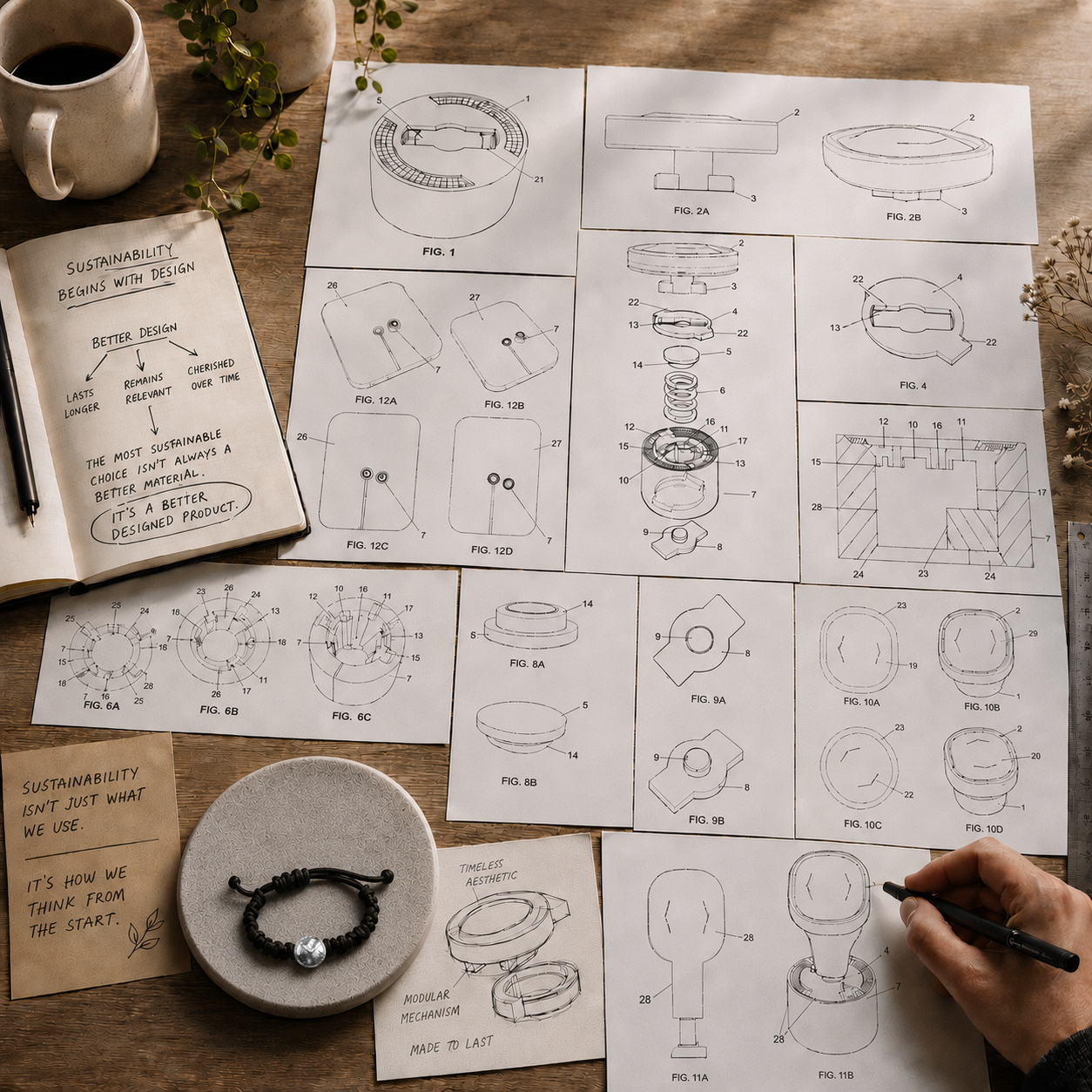
With design itself.
With creating objects that remain useful, relevant, and meaningful for longer.
Because sometimes, the most sustainable choice is not simply a better material.
It is a better-designed product.
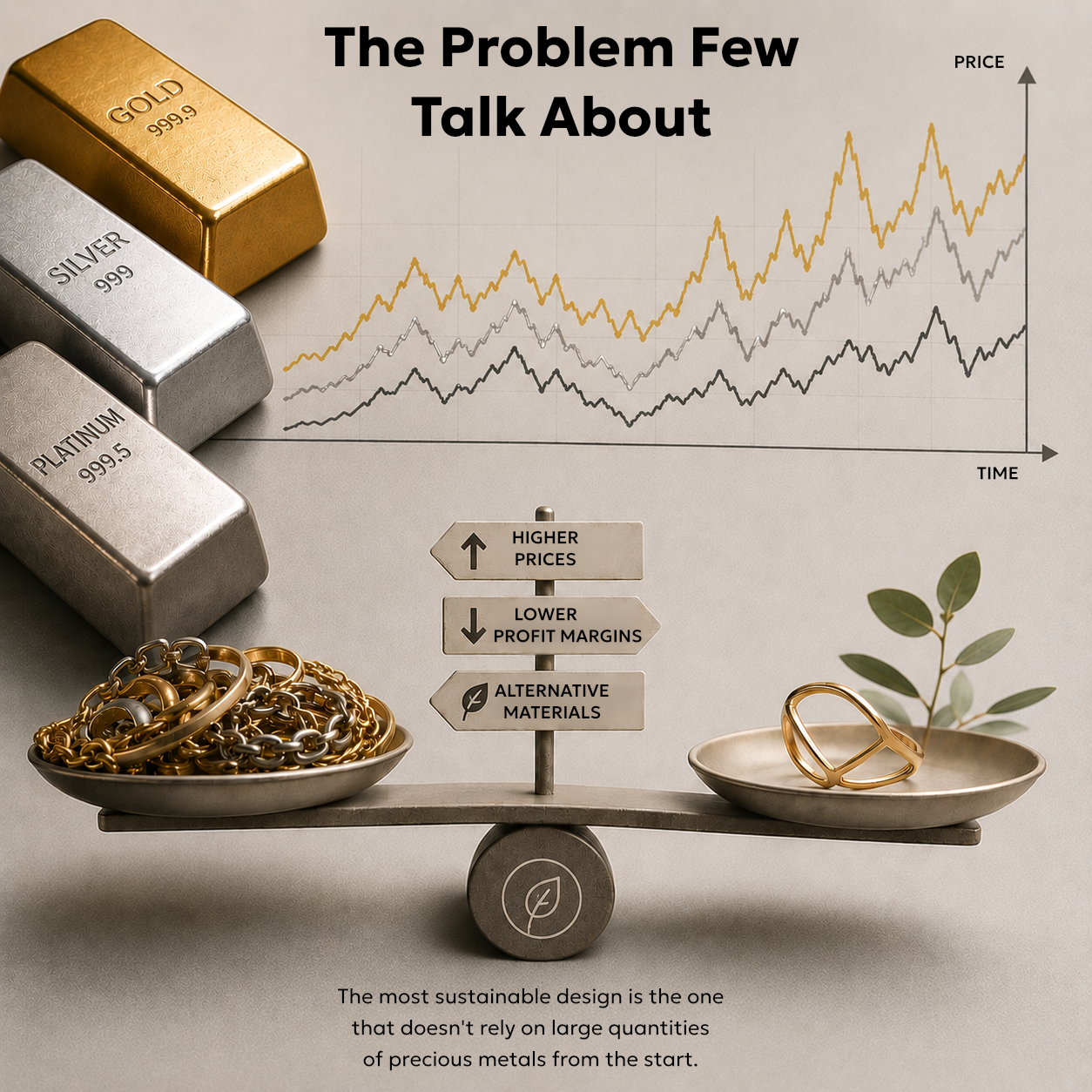
The jewelry industry depends heavily on precious metals.
Silver.
Gold.
Platinum.
And like every commodity, their prices can fluctuate significantly over time.
When this happens, brands often face a difficult choice between:
Perhaps this is why the most sustainable design is the one that does not rely excessively on large quantities of precious metals in the first place.
From the earliest stages of developing the Joolify System, there was a specific goal.
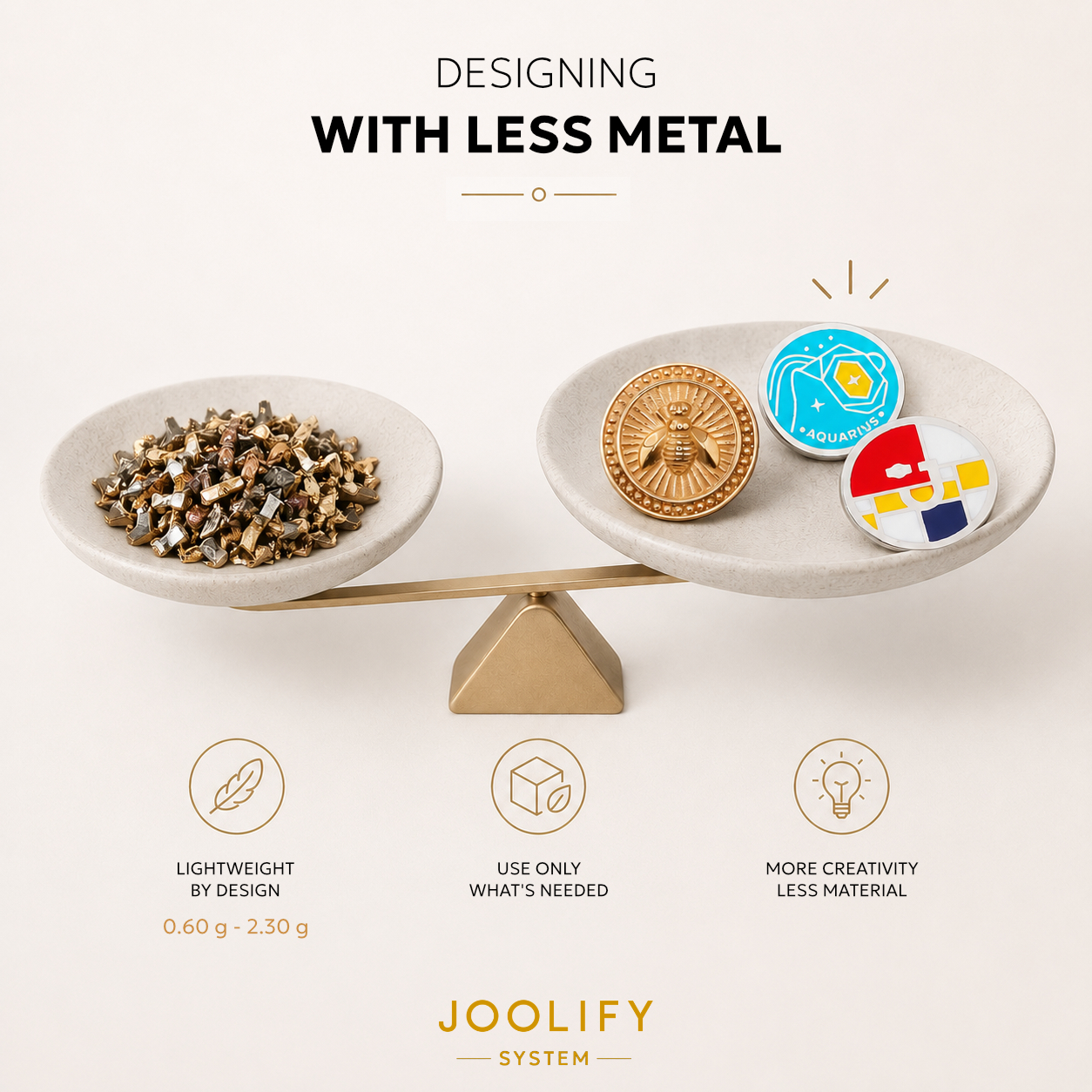
To create a system that uses only the metal it truly needs.
That is why most Joollions weigh:
with an average weight of around 1.40 g.
Not because we wanted smaller products.
But because we wanted more efficient ones.
More creativity.
Less material.
Most sustainability conversations focus on how much material is used.
But perhaps an equally important question is:
How many different expressions can the same material create?
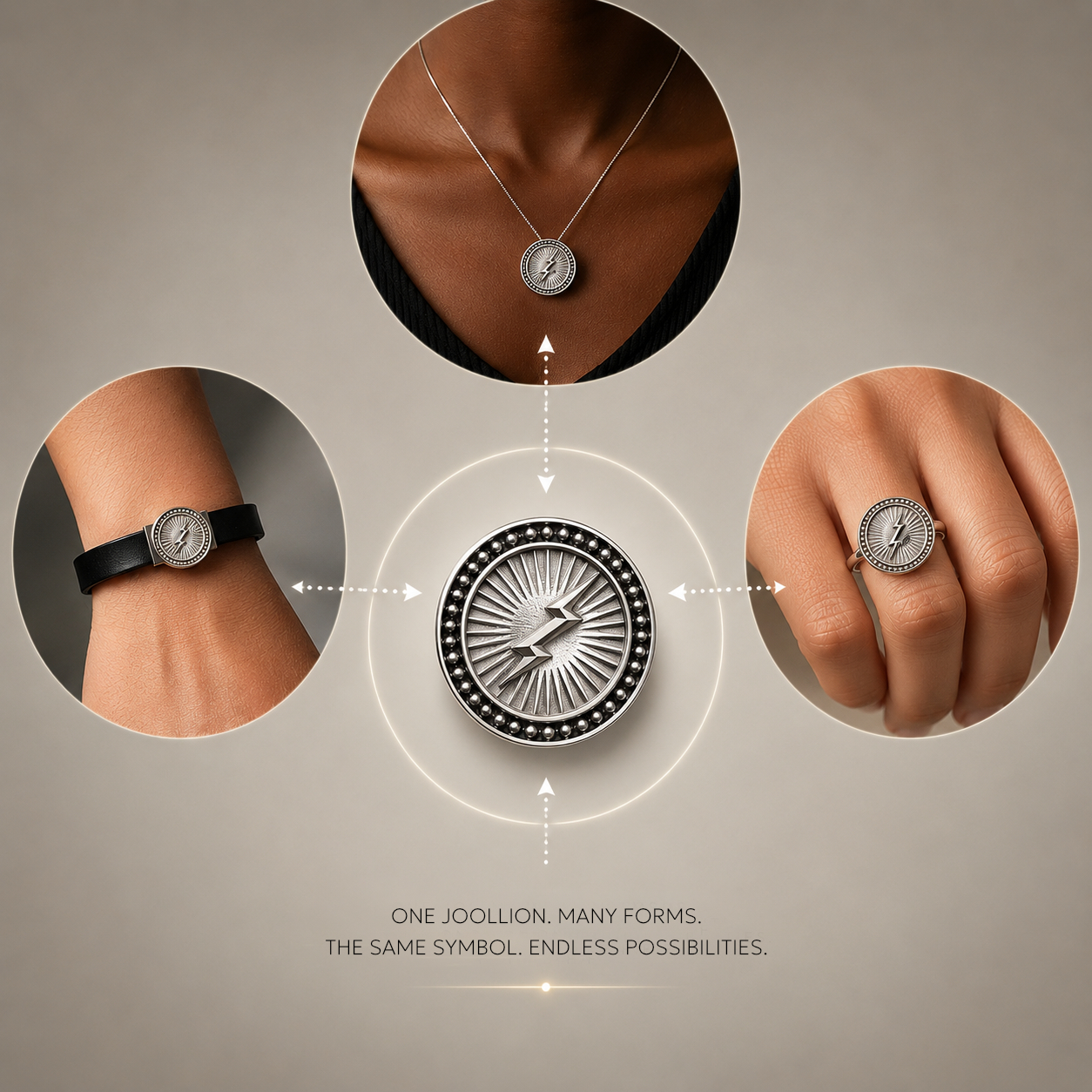
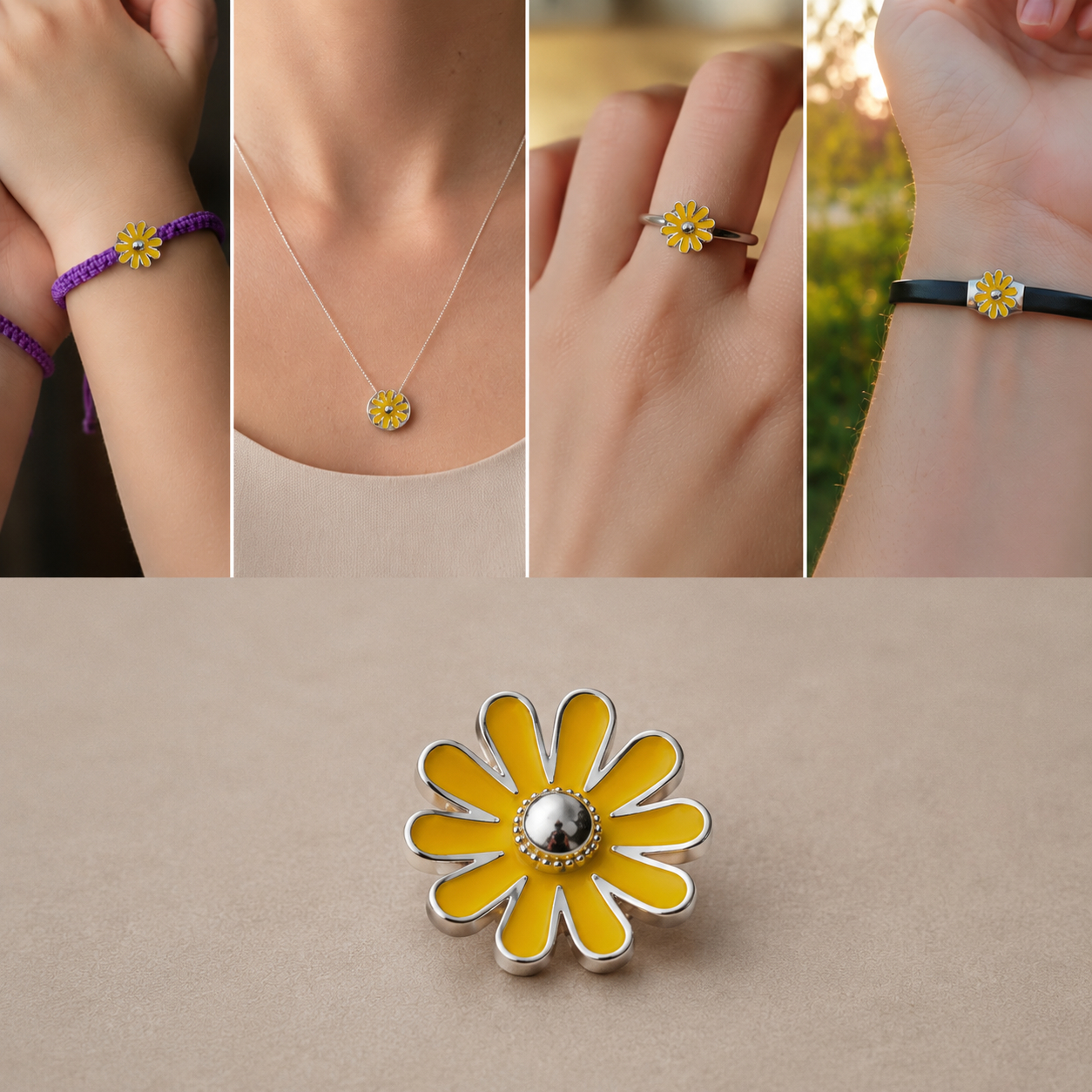
A piece of Joolify jewelry can change:
Without needing to be completely replaced.
Which means the same gram of silver can create far more experiences over time.
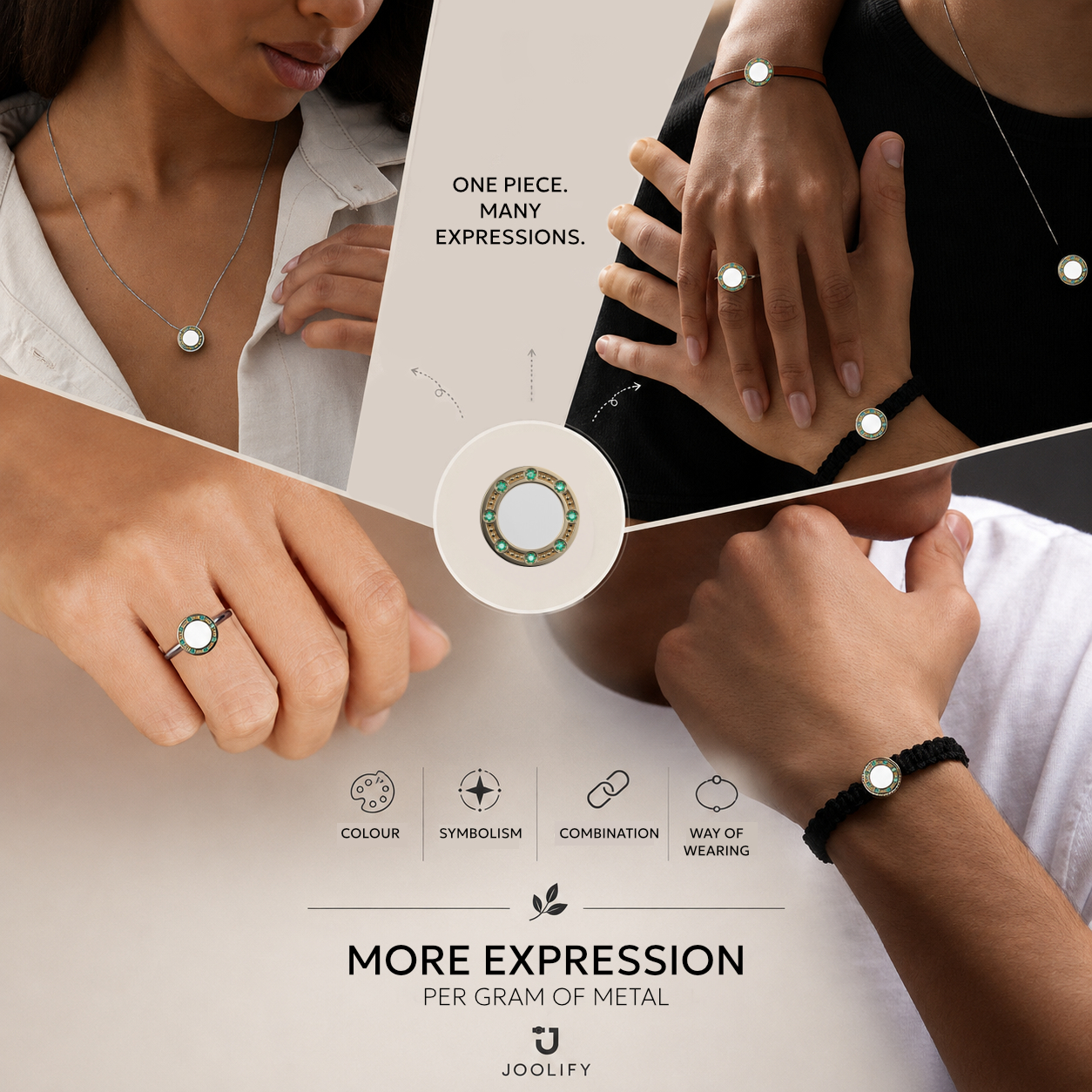
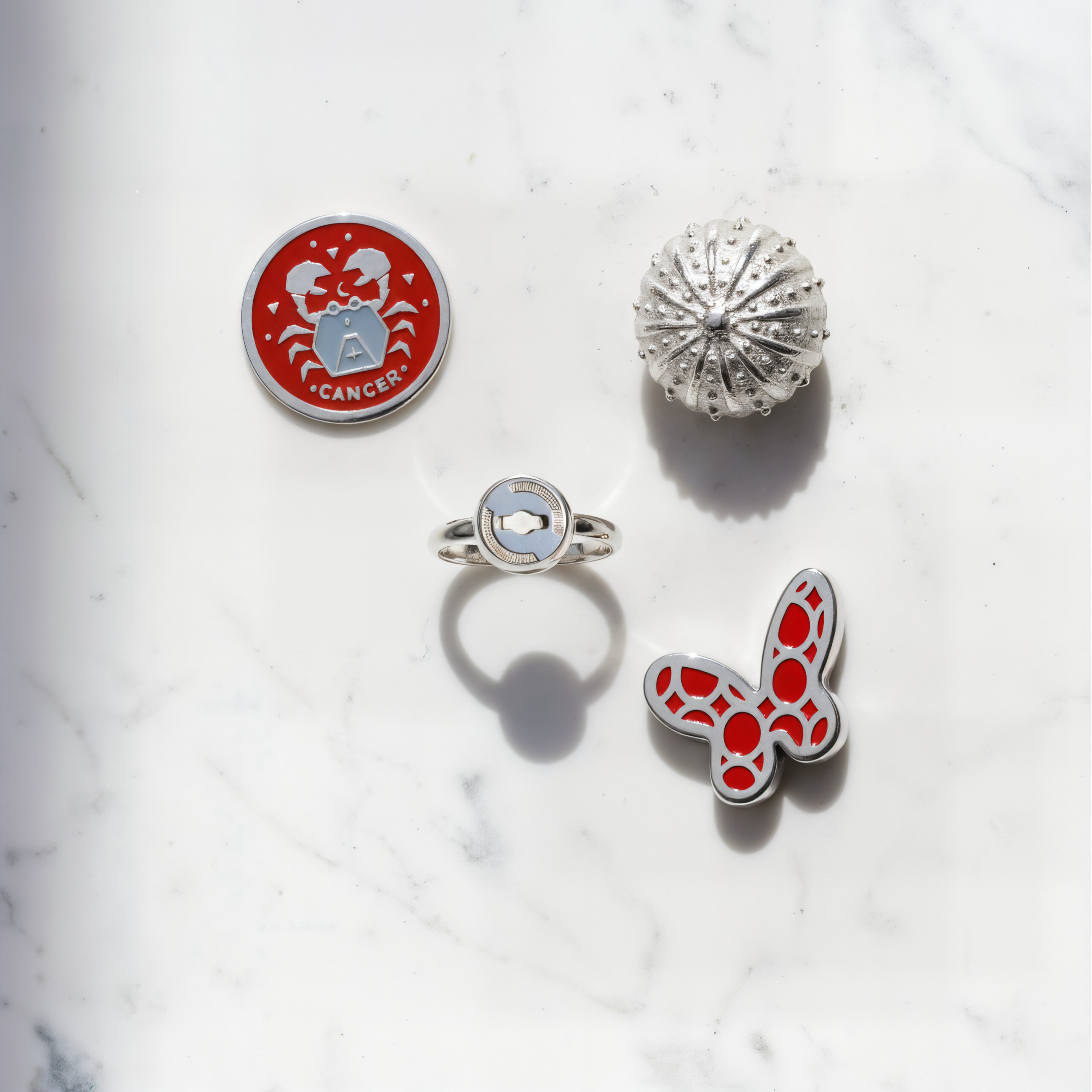
Today, a Joollion can be worn on:
The same object. Different forms. Different experiences.
And perhaps this is only the beginning.
When a system is designed around compatibility, possibilities are not necessarily limited to the products available today.
New bases. New uses. New forms of expression.
Without changing the symbol itself.
Most jewelry is designed for a specific person.
Or a specific category of people.
But when design becomes more open, something interesting happens.
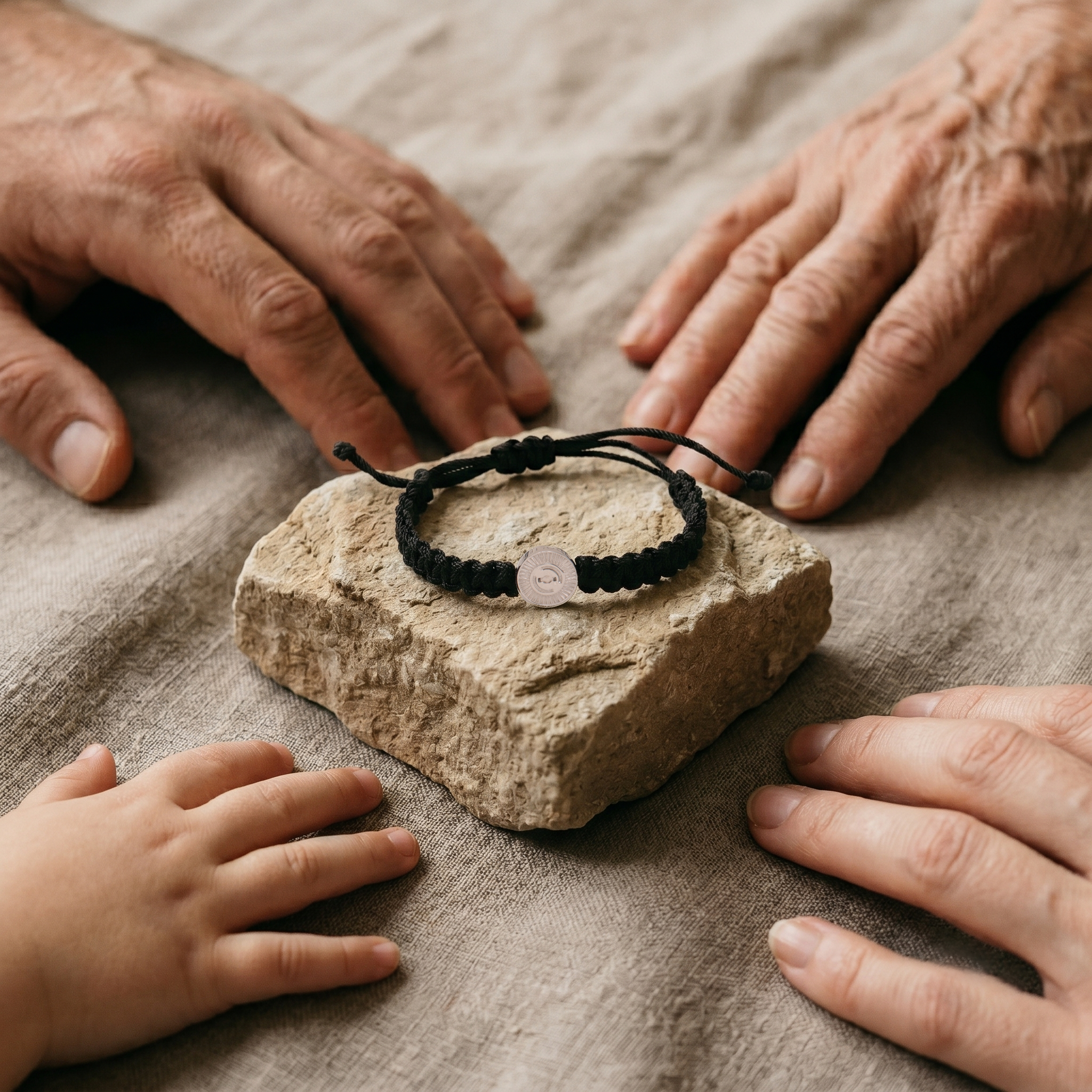
The same object can gain different meaning for:
This does not only create more freedom of expression.
It also extends the life of the object itself.
Most people associate sustainability with the end of a product’s life.
With recycling. Replacement. Re-manufacturing.
But there is another approach.
When the product itself can evolve without being replaced.
When it can change:
while keeping the same core.
Perhaps that is one of the most interesting forms of modern sustainable design.
Perhaps sustainable jewelry is not only about materials, production or recycling.
But also about:
Because the more lives a product can have without being replaced
the more value it can create with the same resources.
Perhaps true sustainability begins long before production.
Perhaps it begins with design itself.
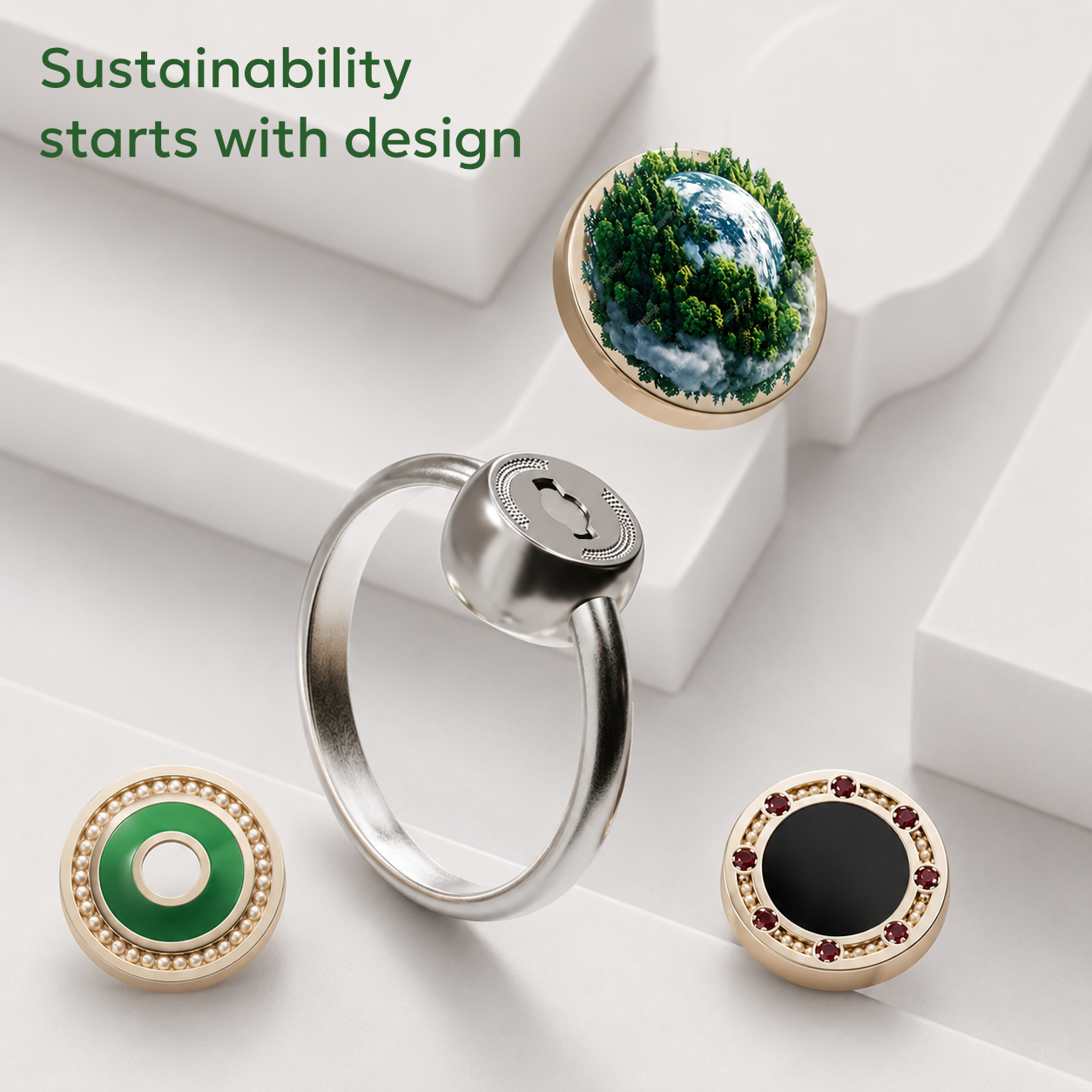
At Joolify, we designed a system where the same jewelry can find new forms and new uses over time without losing its identity.
Sustainable jewelry is an approach to designing and producing jewelry with the goal of reducing resource consumption, extending product lifespan, and lowering environmental impact.
Recycled silver helps reduce the need for newly mined raw materials. However, sustainability is also influenced by design, durability, and product longevity.
Jewelry can reduce its environmental footprint when it uses fewer resources, lasts longer, and can be reused or evolve without being fully replaced.
