


YOUR BAG
YOUR BAG
If you’ve ever read jewelry specifications, you’ve probably come across the word “zircon” or “cubic zirconia”.
They look similar. They even sound similar. But they don’t necessarily describe the same material.
And that’s one of the most common sources of confusion in jewelry.
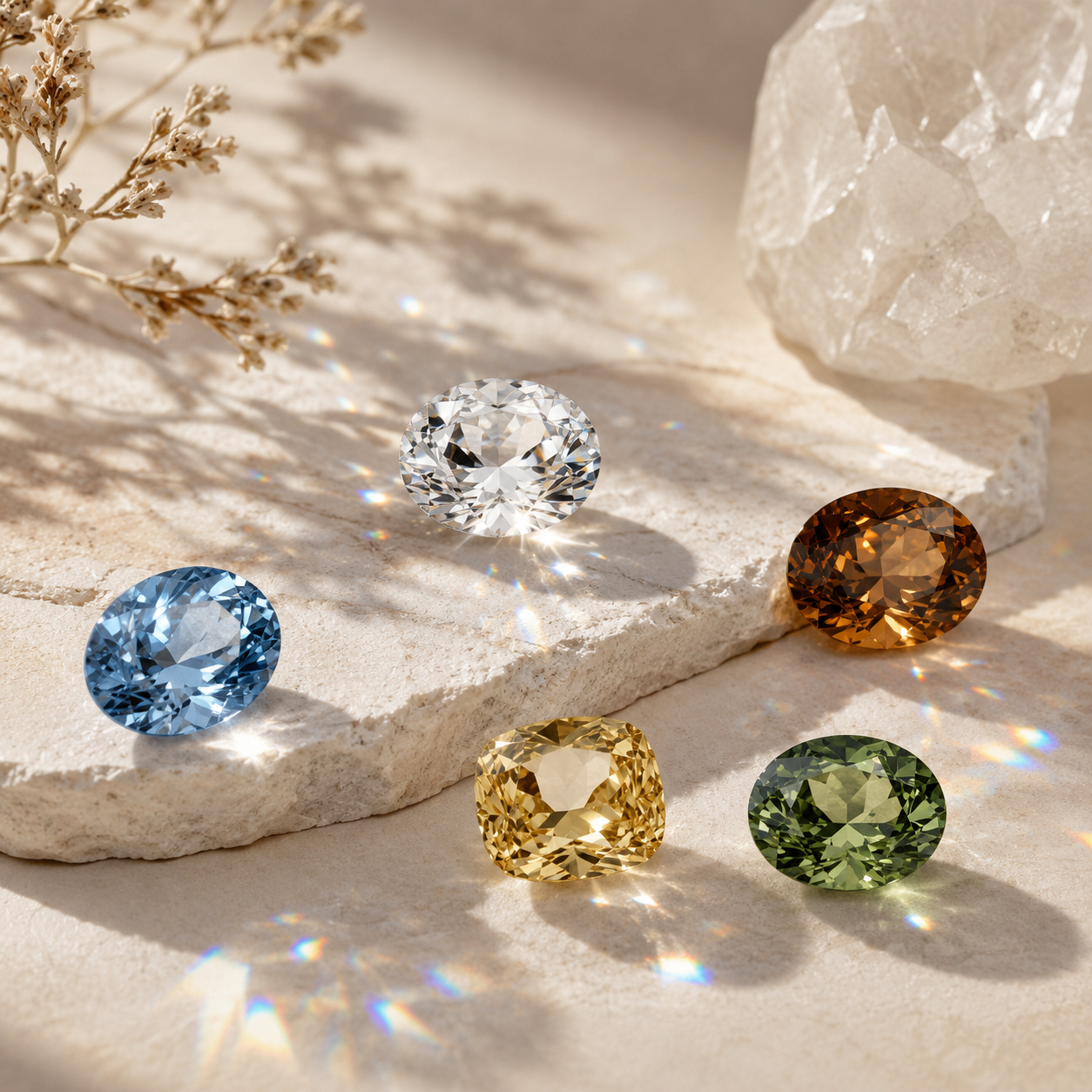
Zircon is a natural, semi-precious gemstone. It forms in nature and has been used in jewelry for centuries.
It can appear in different colours, including:
One of its distinctive characteristics is the way it interacts with light.
And that’s one of the reasons it is used in jewelry.
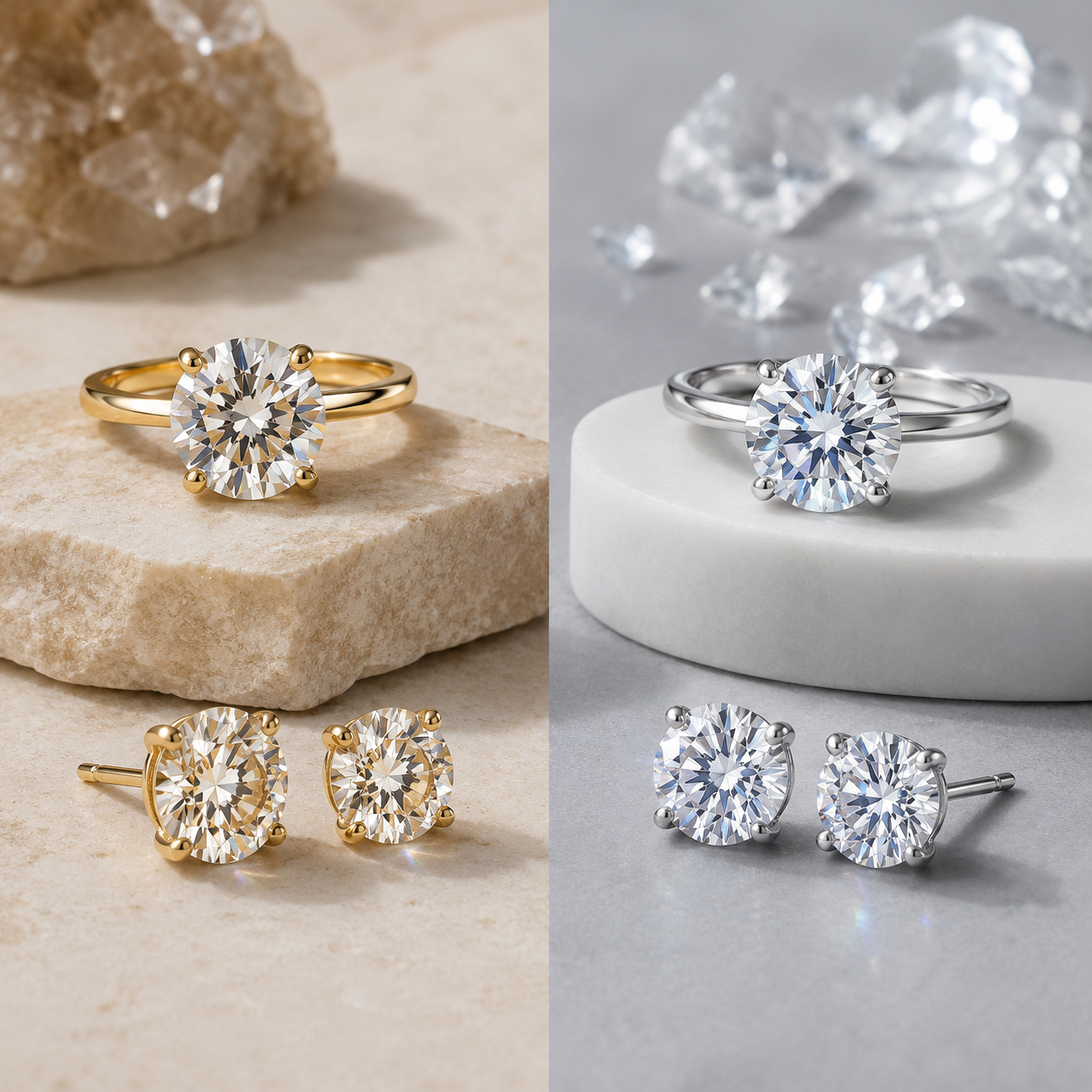
Cubic zirconia, commonly known as CZ, is a different material. It is created in a laboratory and is widely used in jewelry.
Its clarity and intense brilliance make it particularly popular in designs where stones play an important visual role.
It is not zircon.
And the difference goes far beyond the name.
The main reason is simple. Their names are very similar. In everyday language, the terms are also often used without much precision.
As a result, the word “zircon” may sometimes be used to describe different stones or applications. That’s why a name alone may not always tell you enough.
Accurate specifications matter.
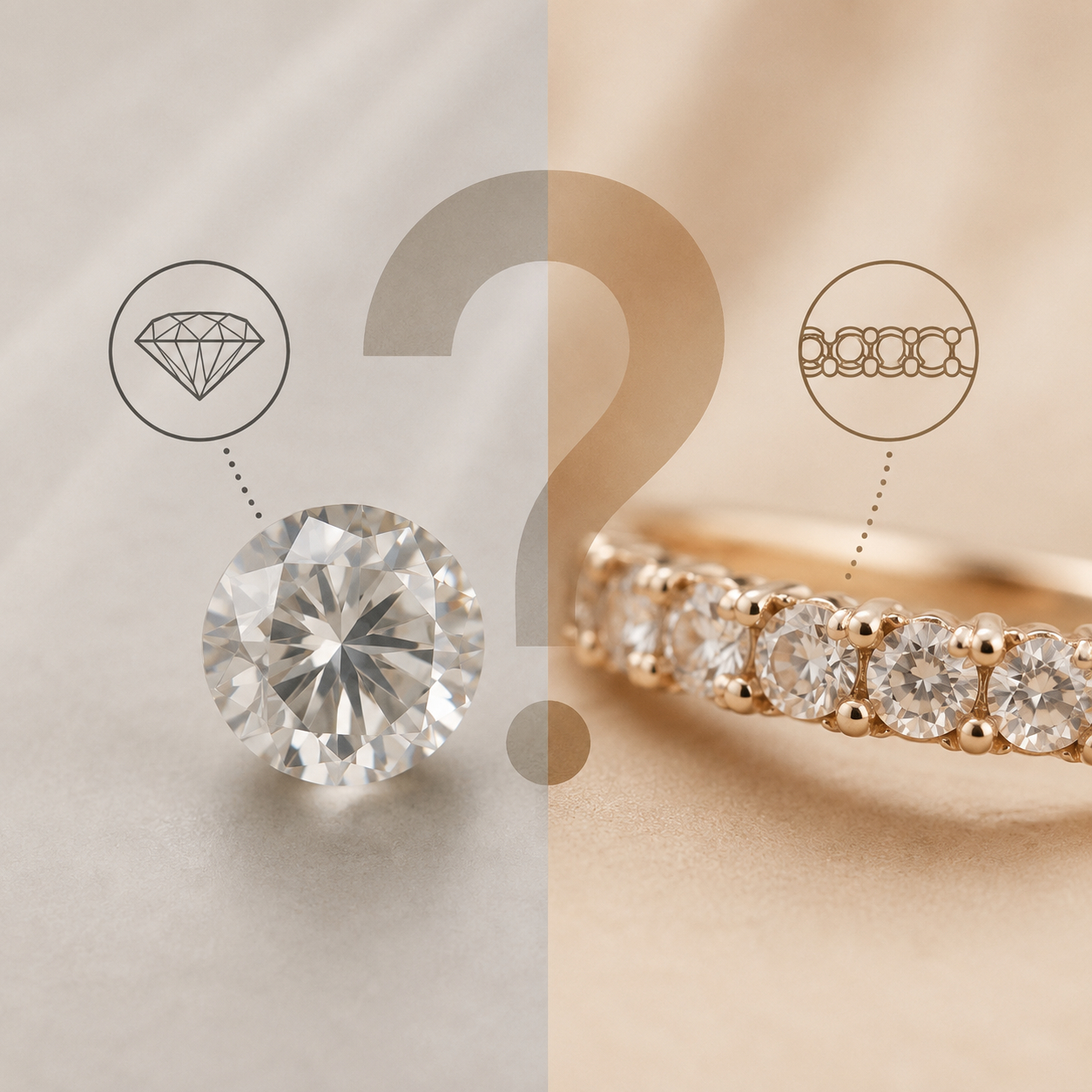
Two stones may look equally striking under the same light. That doesn’t mean they are the same.
Their origin. Their composition. Their properties. The way they are formed or produced.
All of these are part of a material’s identity.
That’s why it’s worth looking beyond brilliance.
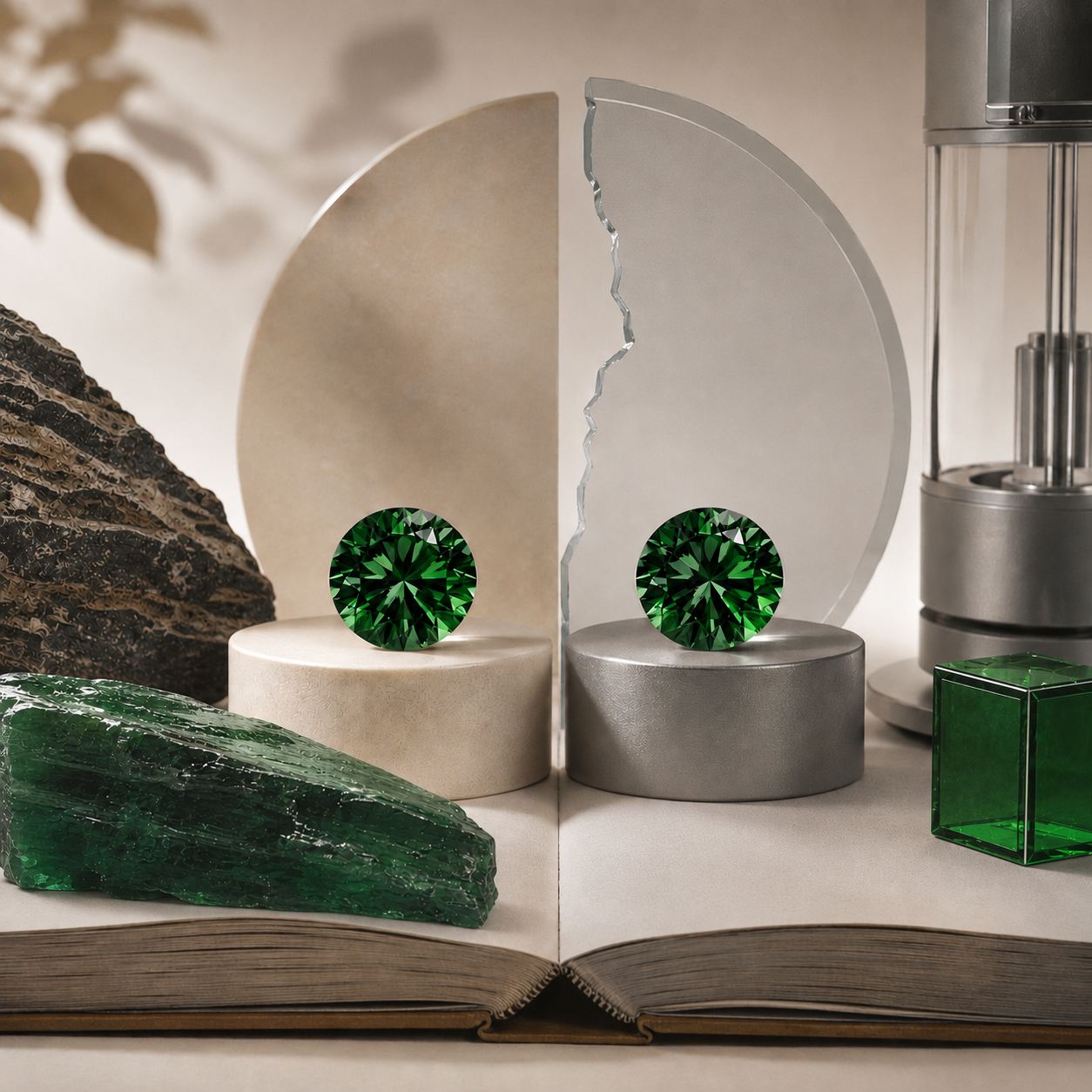
Stones add more than brilliance.
They can influence:
Sometimes, they become the focal point of a piece.
At other times, a single small stone can transform its entire aesthetic.
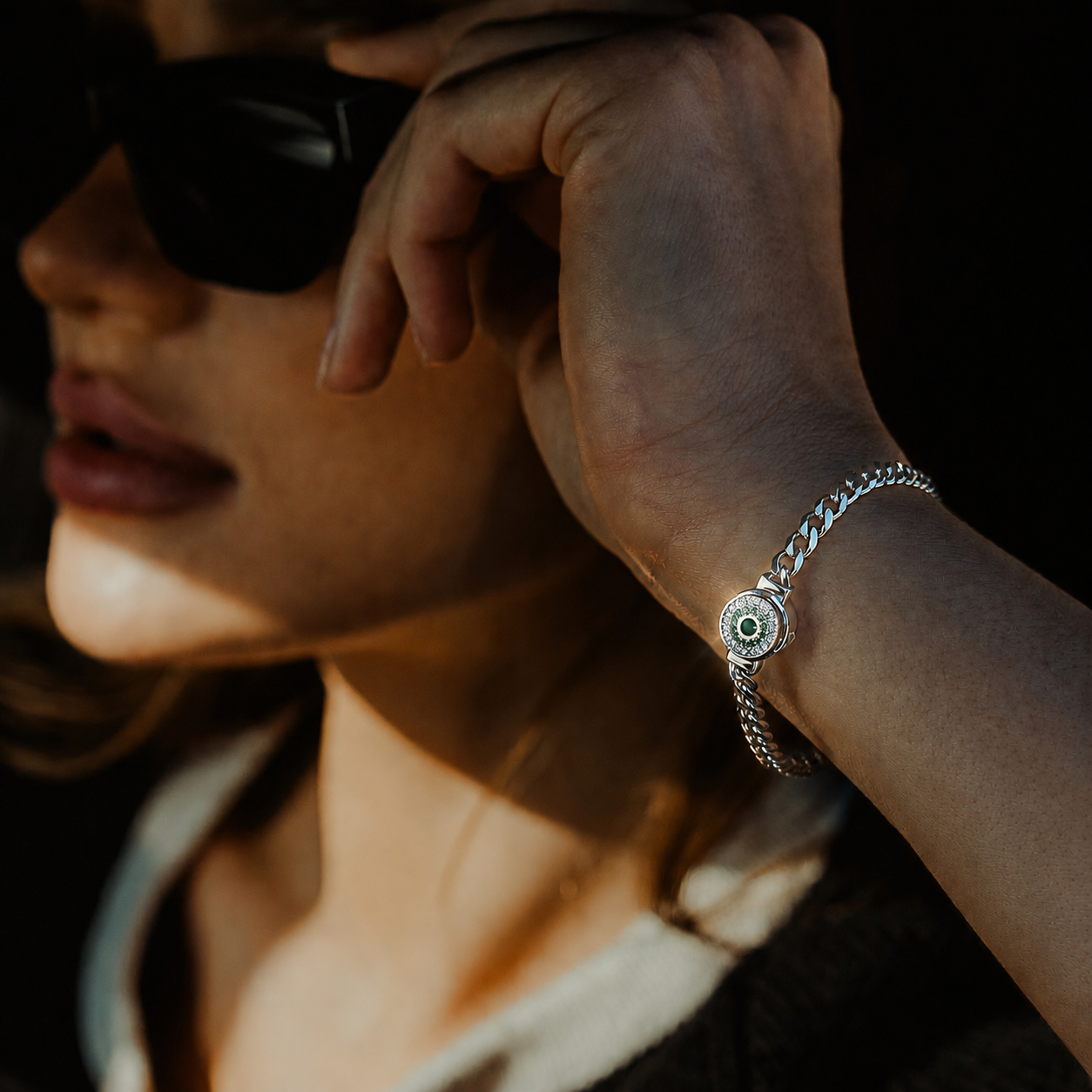
When you read jewelry specifications, don’t stop at the first name you see. Look for the material actually being used.
Is it a natural gemstone? Is it a laboratory-created material? How is it described by the manufacturer?
The more you know, the easier it becomes to understand what you’re really buying.
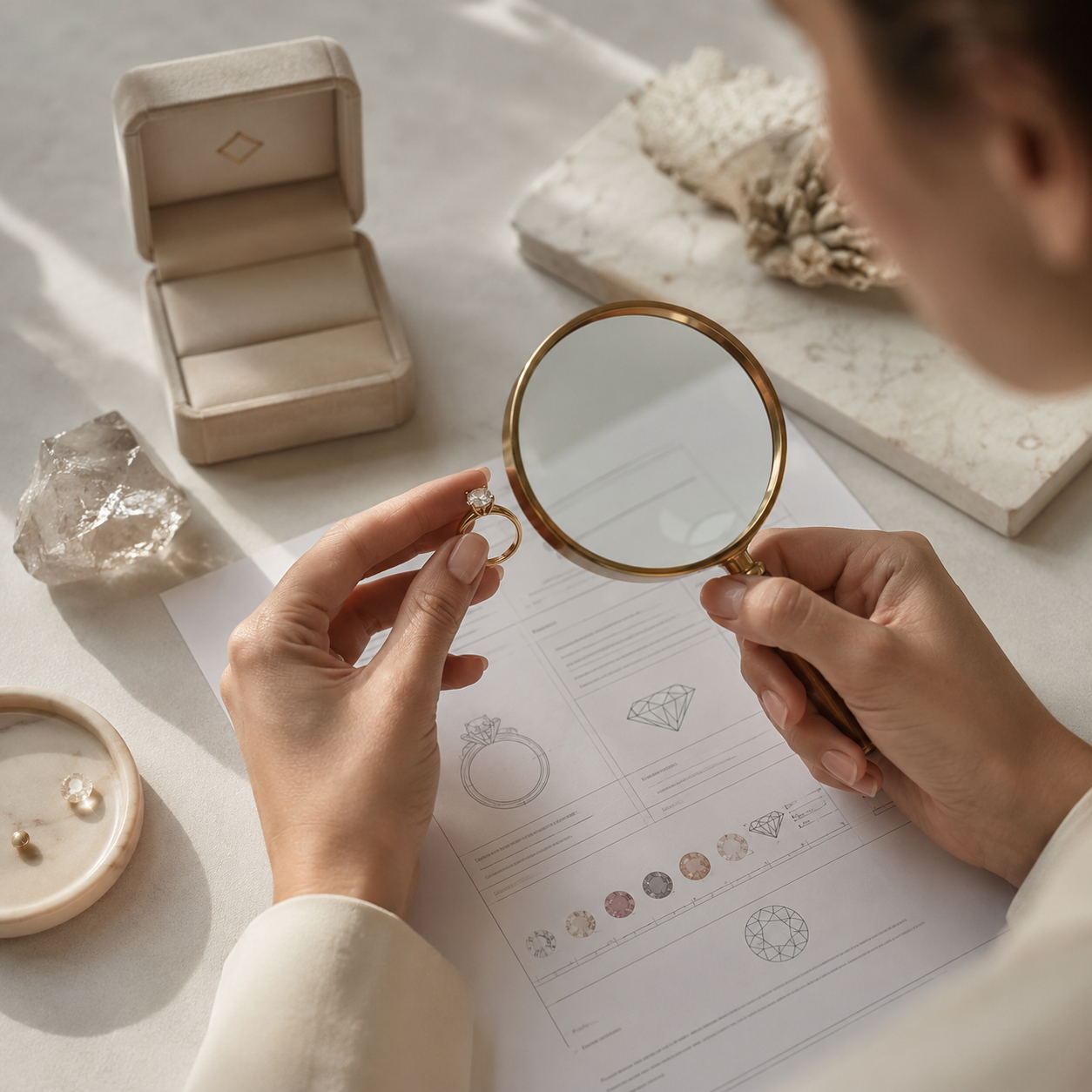
Zircon is a natural, semi-precious gemstone with an identity of its own. It is not cubic zirconia.
And cubic zirconia is not simply another name for zircon. The difference may seem small when you’re reading a product description. But it reveals something much more important.
In jewelry, words matter.
Because they describe the materials you’re actually buying.
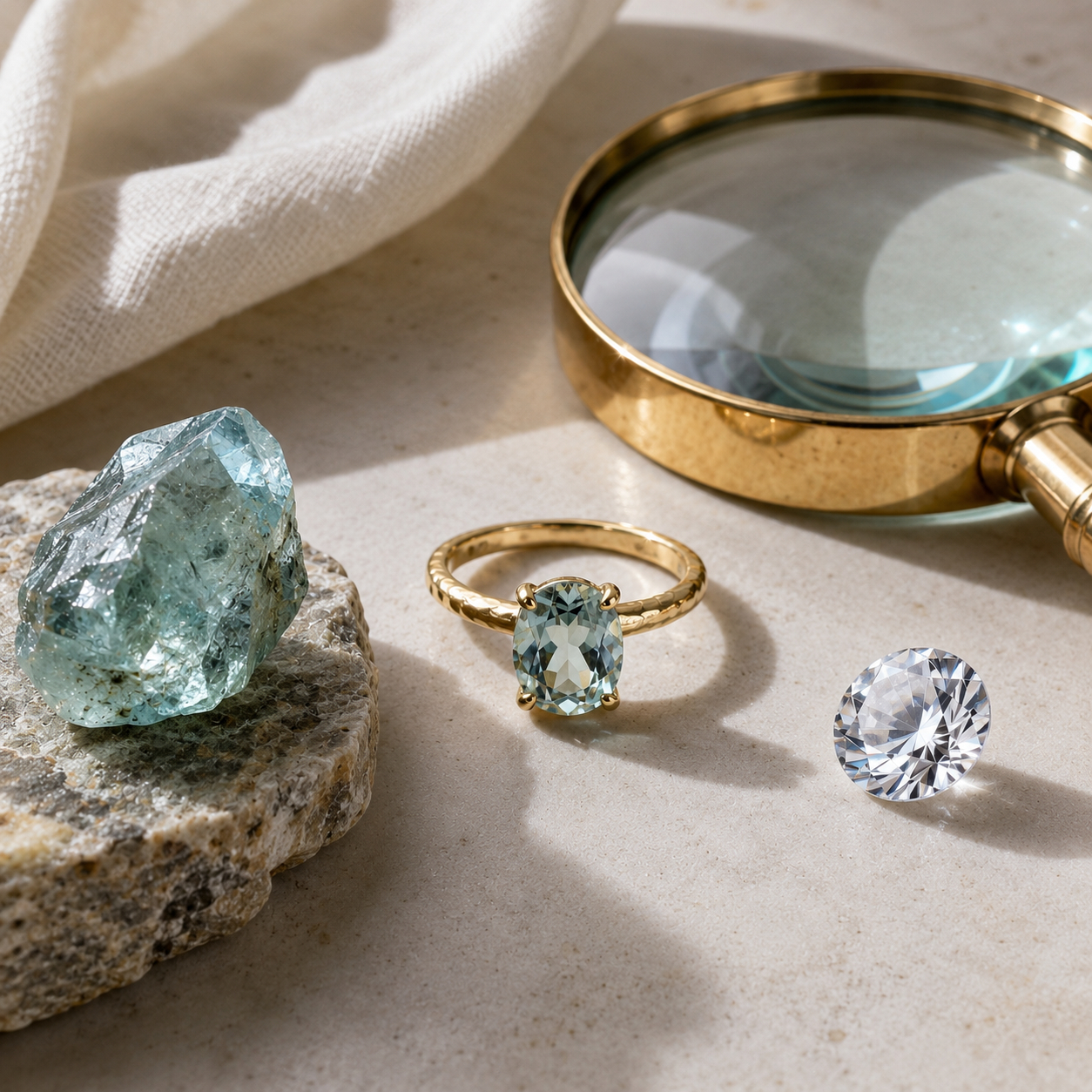
A piece of jewelry is shaped by many different choices.
The metal, the colour, the stones, the design.
Discover how the Joolify System brings different jewelry elements together through a unified design philosophy created to offer more possibilities for personal expression.
Zircon is a natural, semi-precious stone that has been used in jewelry for centuries. It has its own natural origin and distinctive optical properties.
No. Zircon is a natural gemstone, while cubic zirconia (CZ) is a laboratory-created material. Although their names are similar, they are different materials.
Understanding the difference helps you better interpret jewelry specifications and make more informed purchasing decisions.
