


YOUR BAG
YOUR BAG
Most people think of branding as logos, colours, names, fonts, visual identity. And for most brands, identity begins – and often ends – there.
But what happens when a brand is not designed only to be recognized? What happens when it is designed, from the beginning, to be protected?
That is where the game changes.
Because branding stops being just visual identity. It becomes strategic architecture.
And in rare cases, that architecture can connect something much deeper. A product’s functional core
to its symbol, its image, and its legal protection.
This is where a patent can begin to function not only as technical protection – but as part of the brand itself.
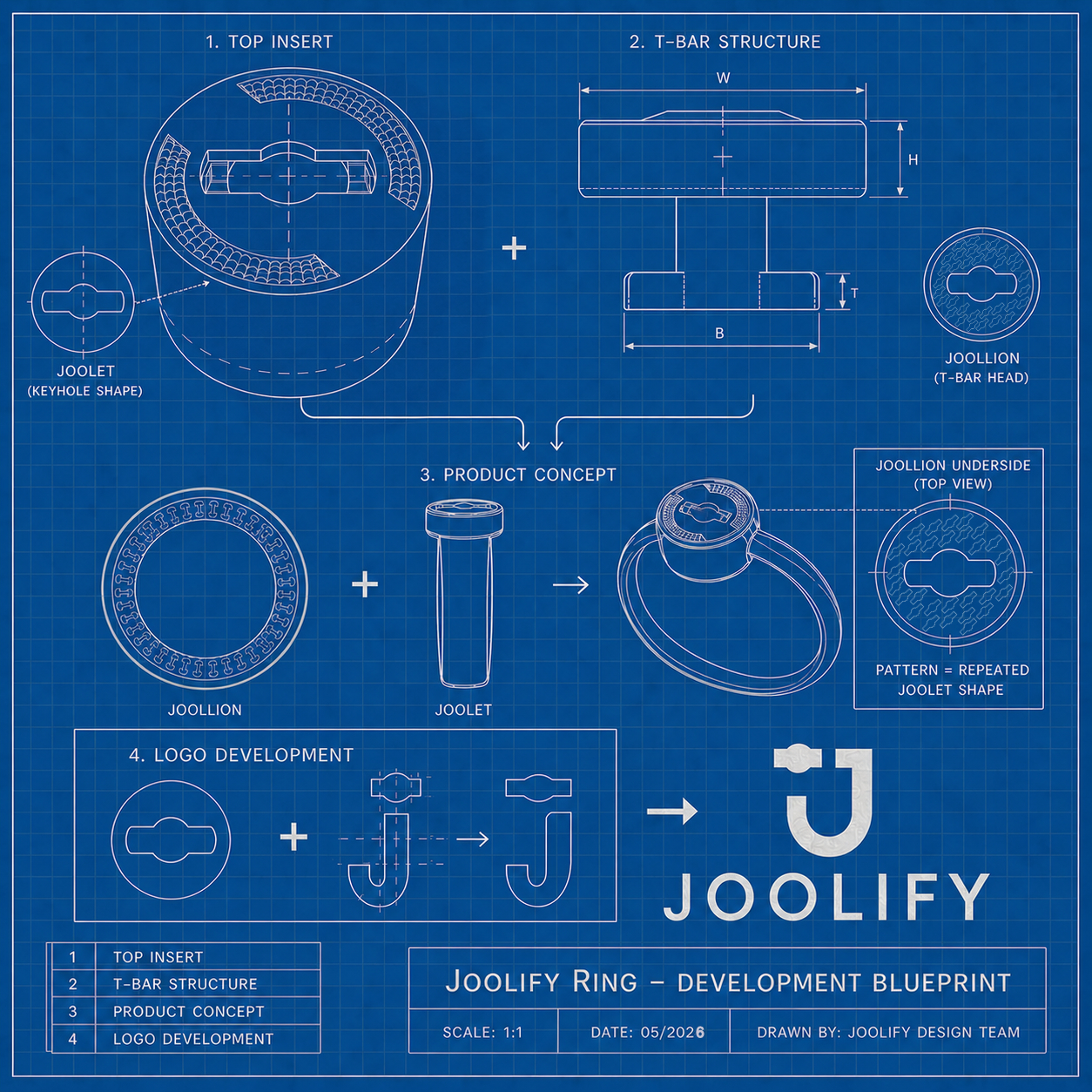
Usually, patents and trademarks belong to two different worlds. A patent protects function.
– mechanism
– innovation
– technical application
– operational design
A trademark, on the other hand, protects what makes a brand recognizable.
– name
– logo
– symbols
– commercial identity
In simple terms:
A patent protects how something works. A trademark protects how something is recognized. And in most cases, these remain separate.
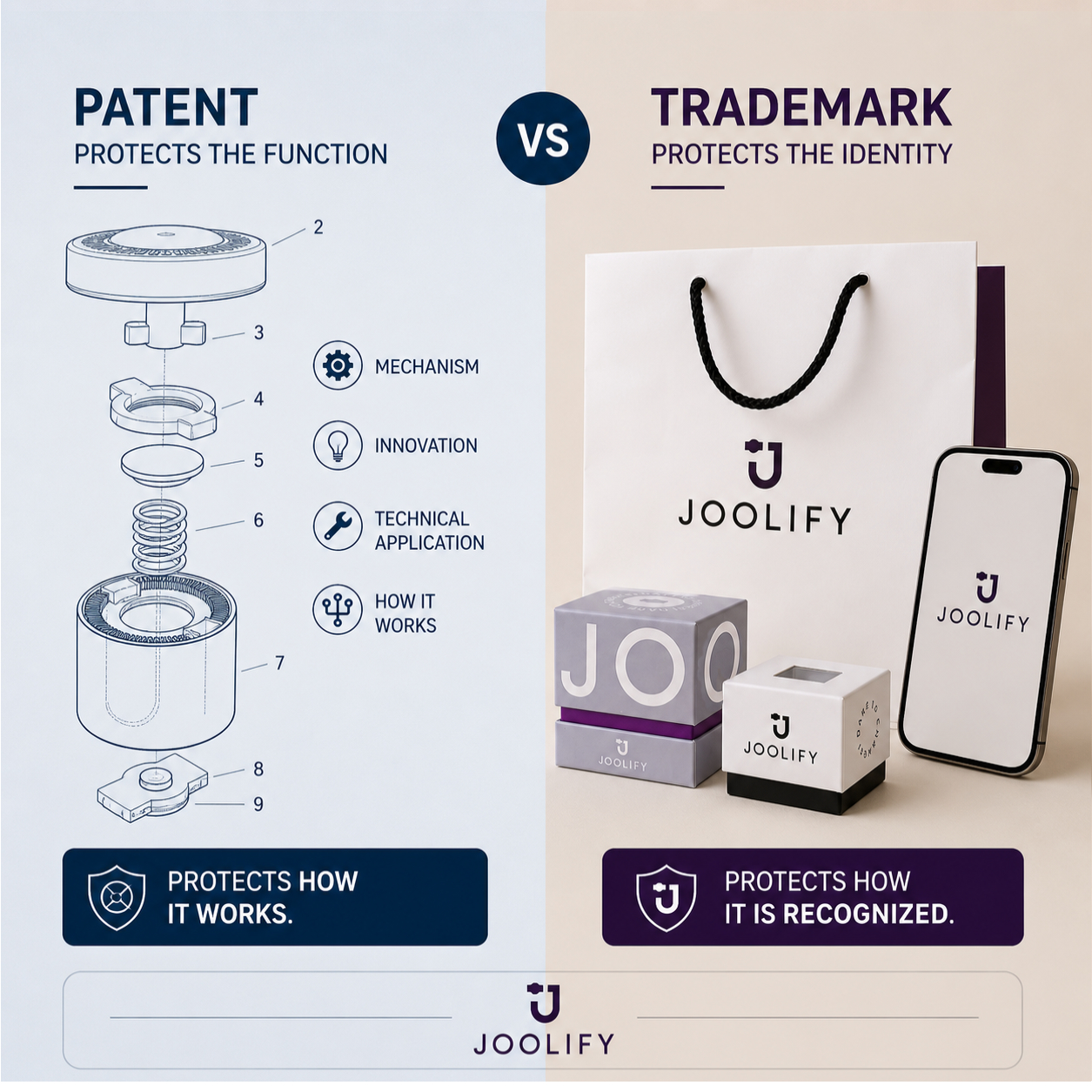
This is where one of the biggest strategic gaps appears.
Even when a product is innovative, that innovation often does not meaningfully shape the visual identity of the brand itself.
And even when branding is strong, it does not necessarily protect the product’s deeper uniqueness.
In most cases:
The product is the product.
The logo is the logo.
The patent is the patent.
Separate layers. But separate layers also mean separate limits. And this is where a more advanced model can emerge.
When those layers stop functioning independently – and begin functioning as a system.

In Joolify’s case, the goal was never simply to create an attractive brand.
The strategy was deeper:
To build a system where uniqueness would be protected from multiple angles before market entry.
Joolify’s internationally patented mechanism was not designed only as functional innovation.
It was also designed as a strategic differentiation framework.
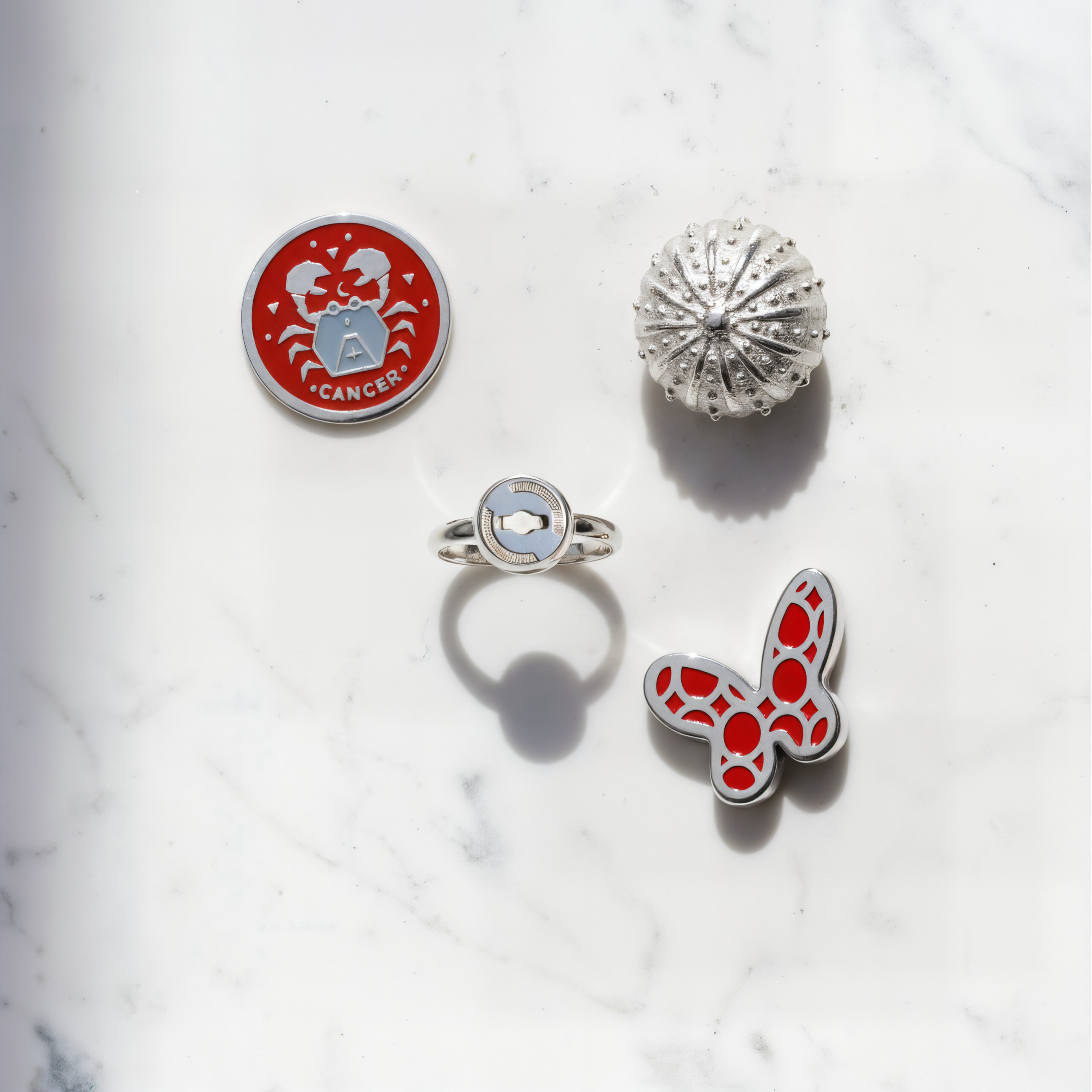
The entry point of the mechanism within Joolets and the connecting element of Joollions share the same distinctive shape.
A functional shape.
But also – a repeatable symbolic code.
And that is where the mechanism began transforming into something more than technology.
It began becoming a symbol.
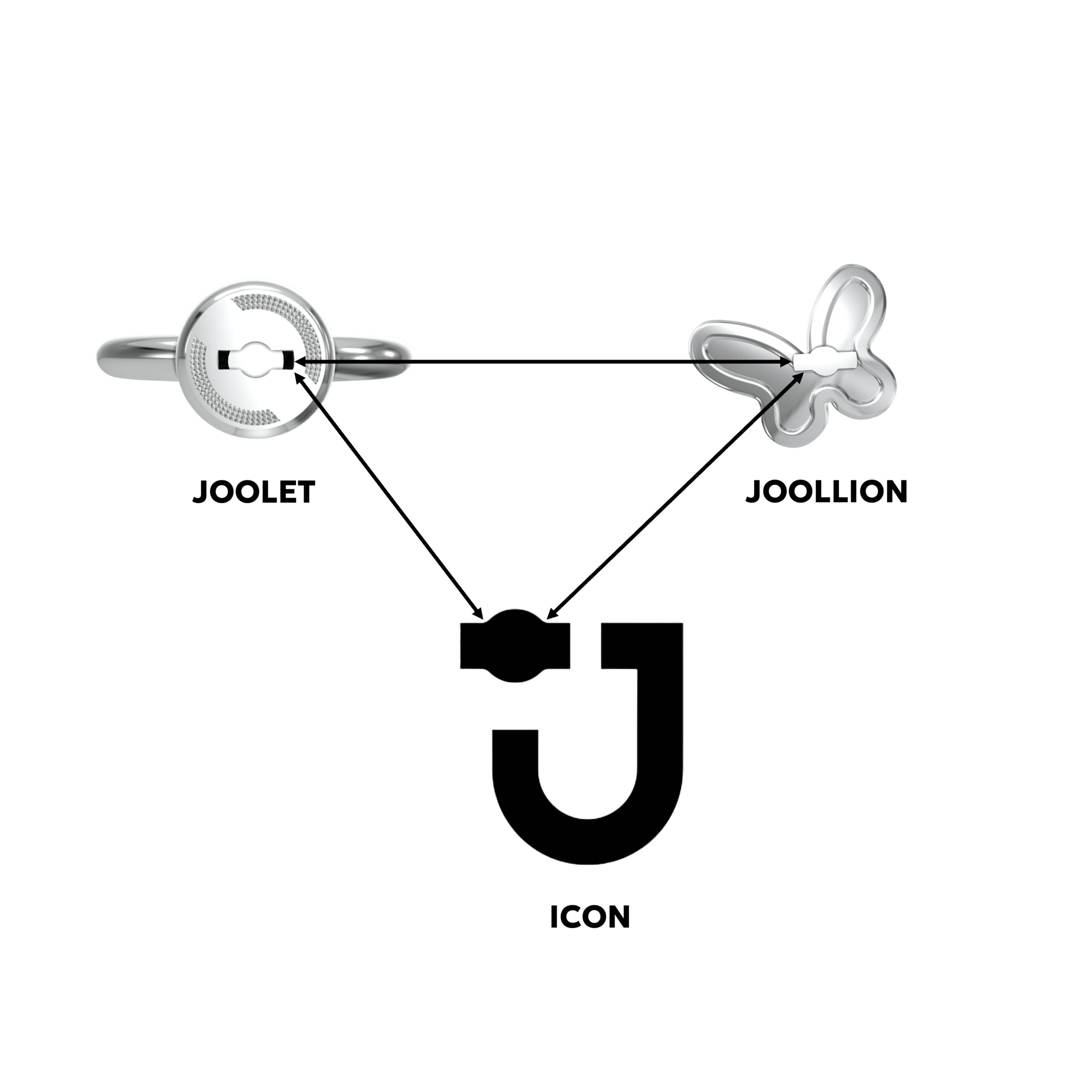
What is truly rare is not simply protecting a mechanism. It is transforming part of that mechanism into recognizable identity.
In Joolify, the same “utility eye” shape:
– exists in the patented mechanism
– exists across products
– exists in the brand icon itself
– exists in design language
This means part of the function does not remain hidden.
It becomes visible. And even more importantly – it becomes recognizable.
Technology no longer simply supports the product.
It actively shapes brand identity.
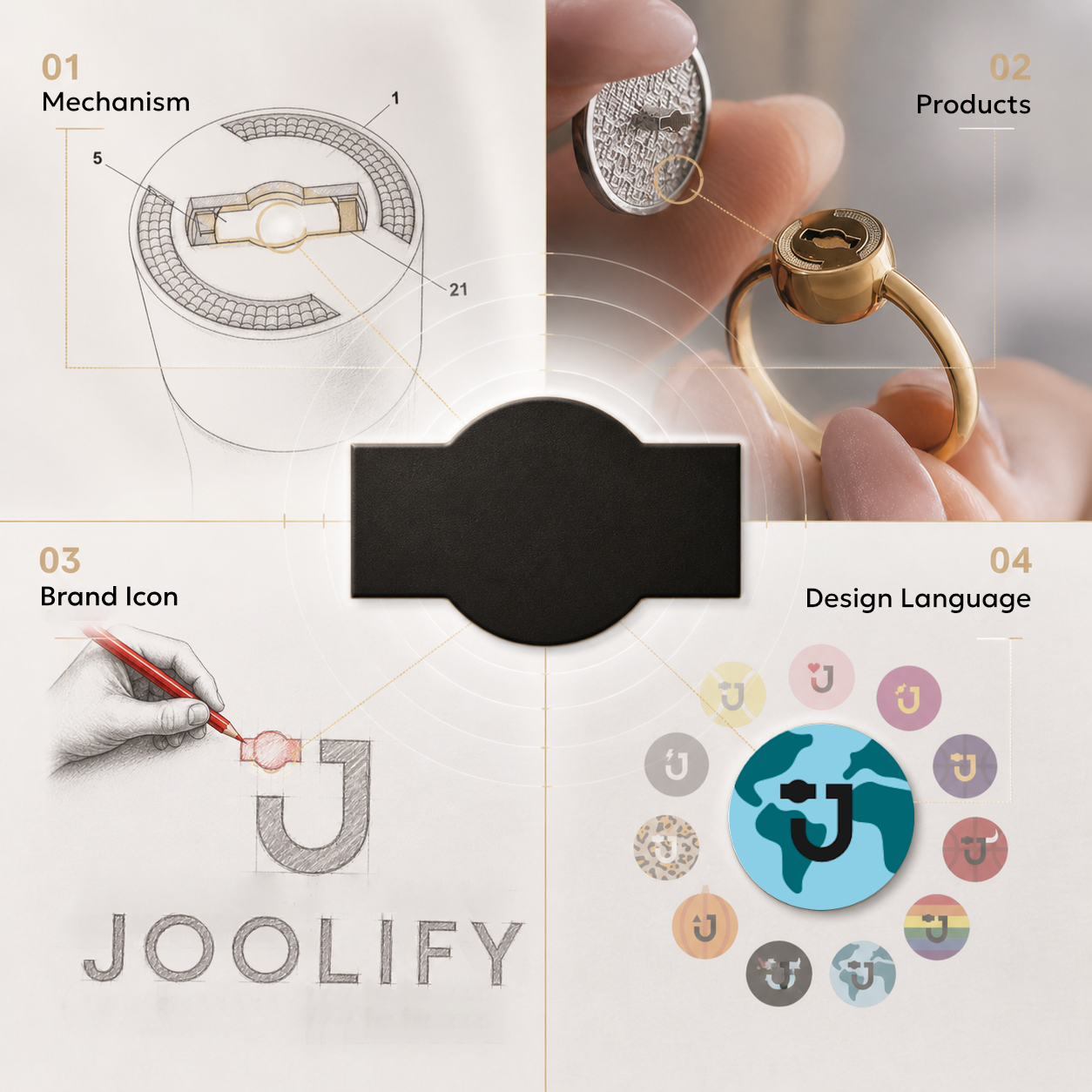
The real power of this model grows when the symbol does not remain confined to a logo. It expands across the product ecosystem.
Because Joolify exclusively builds through Joolets and Joollions, this structural signature becomes embedded throughout the entire system.
Not one product.
The whole architecture.
This means identity is not merely communicated externally.
It is structurally embedded.
Every product becomes a carrier of the same architectural code.
Brand identity does not sit on top of the product.
It lives inside it.

This is where the strategy becomes especially powerful. When a protected symbol is directly connected to functional and structural product elements, trademark gains indirect strategic strength. Not because it replaces patent protection. But because it adds another defensive layer.
Copying no longer concerns only aesthetics.
It may also create:
– brand confusion
– symbolic overlap
– identity conflict
In other words:
Protection is no longer limited to a name.
It begins reinforcing the defensibility of the broader identity system itself.
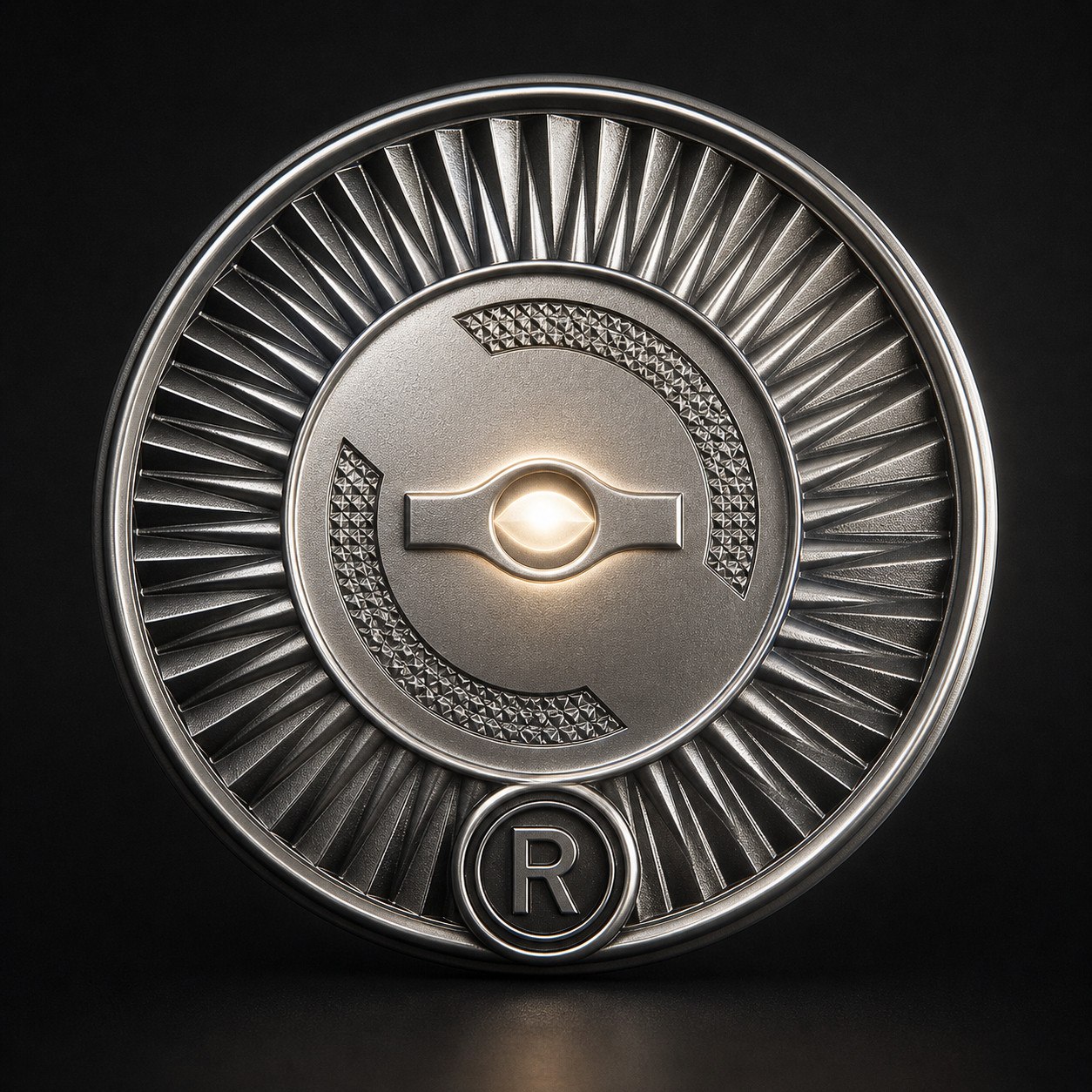
Perhaps the most powerful part is not the patent alone.
Or the trademark alone. It is their strategic convergence.
When function, product, symbol, and brand are intentionally designed as interconnected elements, something stronger than branding emerges.
Architecture. Not only for recognition. But for defensibility.
Joolify is not simply a branding case.
It represents a rare strategic model where patented function, symbolic language, and trademark identity operate as one interconnected system.
And perhaps that is where some brands may eventually go next:
Not merely building image – but designing non-copyable identity from the core.
At Joolify, we design jewelry that does not remain static, but evolves alongside the person wearing it.
A patent protects function, mechanism, or technical innovation, while a trademark protects names, symbols, logos, and brand identity.
Yes. When functional elements are intentionally integrated into symbolic and visual identity, branding can extend beyond recognition into deeper strategic differentiation.
It refers to a strategic system where product function, symbolic language, legal protection, and brand identity are designed as interconnected layers to strengthen defensibility.
